
Architecture is not only about how a building looks.
Every building uses materials, energy, water, land, and other resources. It also affects the people who live or work inside it and the environment around it. Because buildings can have long lifespans, the decisions made during design and construction can influence environmental performance for decades.
This is where sustainable architecture comes in.
Sustainable architecture is an approach to designing and constructing buildings that aims to reduce environmental impact while creating healthy, comfortable, functional, and durable spaces for people.
It is not simply about adding solar panels to a roof or covering a building with plants.
Sustainable architecture is much broader.
It involves thinking carefully about where a building is located, how it is oriented, how much energy it uses, how water is managed, what materials are selected, how comfortable the interior is, how long the building will last, and what happens to the building at the end of its useful life.
In simple terms, sustainable architecture asks an important question:
How can we create buildings that meet human needs today while using resources responsibly and reducing unnecessary harm to the environment?
What Is Sustainable Architecture?
Sustainable architecture is the design of buildings and spaces with consideration for their environmental, social, and long-term performance.
The goal is to reduce negative environmental impacts while maintaining or improving the quality of life of the people who use the building.
A sustainable building may use less energy, consume less water, produce less waste, use lower-impact materials, respond to its climate, and provide good indoor environmental quality.
But sustainability does not have one universal appearance.
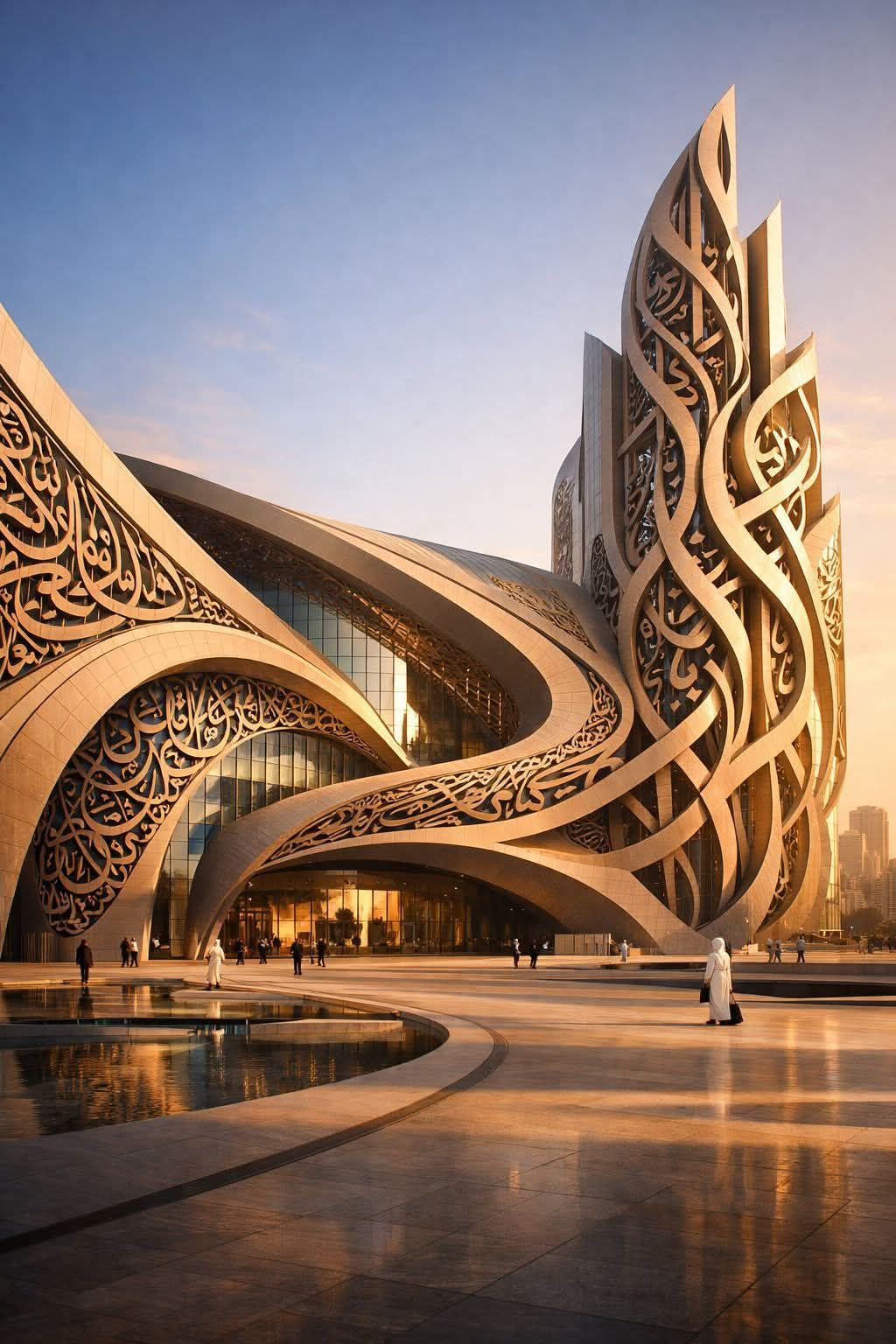
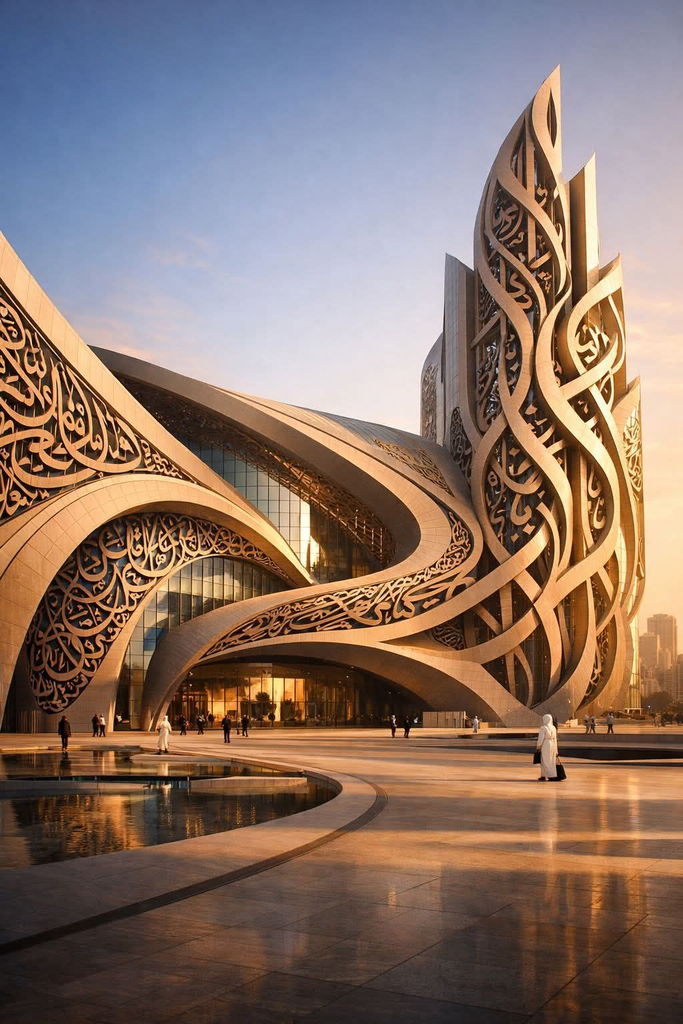
A sustainable building does not have to look futuristic.
It can be traditional, contemporary, minimalist, vernacular, industrial, or almost any other architectural style.
The important issue is not what the building looks like.
It is how the building performs.
Why Is Sustainable Architecture Important?
Buildings have a significant relationship with the environment.
They require materials to construct, energy to operate, and infrastructure to support them. Construction can also generate waste and involve significant resource use.
At the same time, buildings are places where people spend a large part of their lives.
This means architecture has two important responsibilities.
The first is to reduce unnecessary environmental impact.
The second is to create spaces that are healthy, comfortable, safe, and useful.
Sustainable architecture tries to address both.
A building that uses very little energy but is uncomfortable for its occupants is not necessarily a successful design.
Likewise, a beautiful building that wastes energy, consumes excessive resources, and has a very short useful life may create significant environmental costs.
Good sustainable design attempts to balance these considerations.
1. Energy Efficiency
One of the most familiar aspects of sustainable architecture is energy efficiency.
Buildings require energy for lighting, cooling, heating, ventilation, appliances, hot water, and other systems.
A sustainable building attempts to reduce unnecessary energy consumption.
This can begin with the architecture itself.
Building orientation can influence how much sunlight enters a building.
Window placement can affect natural lighting and ventilation.
Shading devices can reduce unwanted solar heat.
Insulation can reduce heat transfer through walls and roofs.
Efficient lighting and mechanical systems can reduce operational energy use.
The important principle is that sustainability should begin with the basic design rather than being added at the end.
2. Passive Design
One of the most effective approaches to sustainable architecture is passive design.
Passive design uses the building’s form, orientation, materials, openings, and relationship to the climate to improve comfort with less reliance on mechanical systems.
For example, a building in a hot climate may use:
- External shading
- Deep roof overhangs
- Cross-ventilation
- Courtyards
- Vegetation
- Reflective or appropriately selected surfaces
- Carefully positioned windows
A building in a cooler climate may place greater emphasis on insulation, solar access, airtightness, and controlled heat gain.
Passive design is powerful because it uses architectural decisions to influence environmental performance.
Instead of asking a mechanical system to fix a poorly designed building, the architect tries to create a building that works with its climate.
3. Natural Ventilation
Ventilation is another important part of sustainable architecture.
Fresh air is essential for indoor comfort and air quality.
In suitable climates and building types, natural ventilation can reduce the need for mechanical cooling and ventilation.
Windows positioned on opposite sides of a room can support cross-ventilation.
Courtyards can help create air movement.
High-level openings can allow warm air to escape.
Atriums can sometimes contribute to vertical air movement.
However, natural ventilation is not appropriate or sufficient in every situation.
Climate, outdoor air quality, noise, security, humidity, building use, and other factors must be considered.
Good sustainable architecture responds to actual conditions rather than applying one strategy everywhere.
4. Natural Light
Daylight can reduce the need for artificial lighting while improving the experience of interior spaces.
Large windows, skylights, clerestory windows, courtyards, atriums, and carefully positioned openings can bring natural light into buildings.
But more glass does not automatically mean better sustainability.
Large areas of glazing can increase unwanted heat gain or heat loss depending on the climate.
Therefore, sustainable daylighting is about finding the right balance.
The goal is to provide useful natural light while controlling glare and excessive solar heat.
Good daylight design considers orientation, window size, shading, glazing performance, room depth, surface reflectance, and the surrounding environment.
5. Water Conservation
Sustainable architecture also considers water.
Buildings use water for drinking, cooking, cleaning, sanitation, landscaping, and many other activities.
Water-efficient fixtures can reduce consumption.
Rainwater harvesting systems can collect rainfall for appropriate non-potable uses.
Landscaping can use plants that are suited to the local climate and require less irrigation.
Permeable surfaces can help manage stormwater by allowing water to infiltrate the ground.
Some buildings also use systems that recycle or reuse certain types of water where appropriate and permitted.
Water sustainability is particularly important in regions where water resources are limited or seasonal.
6. Sustainable Materials
The materials used in a building have environmental consequences.
Timber, concrete, steel, glass, brick, stone, aluminum, and other materials require different amounts of energy and resources to produce, transport, install, maintain, and eventually dispose of.
Sustainable material selection therefore looks beyond appearance.
Architects may consider:
- Durability
- Local availability
- Recycled content
- Reusability
- Embodied carbon
- Manufacturing processes
- Maintenance requirements
- Transportation distances
- Toxicity
- End-of-life possibilities
There is rarely one material that is automatically sustainable in every situation.
The right choice depends on the project and its context.
7. Embodied Carbon and Operational Carbon
A useful way to understand sustainable architecture is to distinguish between embodied carbon and operational carbon.
Operational carbon is associated with the energy used to operate a building, such as electricity for cooling, lighting, heating, and equipment.
Embodied carbon is associated with the materials and construction processes used to create the building.
This includes extracting raw materials, manufacturing products, transporting them, constructing the building, maintaining it, and eventually dealing with demolition or disposal.
A building can therefore be energy-efficient during operation while still having a significant environmental impact from its materials.
This is why sustainable architecture increasingly considers the entire life cycle of a building.
8. Designing for Durability
One of the simplest sustainability principles is to build things that last.
A durable building can remain useful for many decades, reducing the need for frequent replacement or demolition.
Durability depends on appropriate materials, construction quality, maintenance, detailing, climate response, and adaptability.
A building that is easy to maintain can often have a longer useful life.
Architects therefore need to think beyond the opening day.
A good question is:
How will this building perform twenty, fifty, or even one hundred years from now?
9. Adaptive Reuse
Sustainable architecture does not always mean constructing a brand-new building.
Sometimes the most sustainable option is to reuse an existing structure.
This is known as adaptive reuse.
An old warehouse might become a cultural center.
A former office building might be converted into housing.
An industrial building might become a school, studio, or community facility.
Adaptive reuse can preserve existing structures and materials while giving buildings new purposes.
It also demonstrates an important architectural principle: buildings can have more than one life.
10. Green Architecture and Vegetation
Plants can play an important role in sustainable architecture.
Green roofs can provide additional vegetation in dense urban environments.
Vertical gardens can introduce greenery to buildings where ground-level space is limited.
Trees can provide shade around buildings.
Courtyards can create cooler and more pleasant microclimates in some environments.
Landscaping can also support biodiversity and improve the visual quality of urban areas.
However, greenery should not be treated as a decorative shortcut to sustainability.
A building does not become sustainable simply because it has plants on its facade.
The plants need to be appropriate for the climate, irrigation requirements, maintenance conditions, and building structure.
11. Sustainable Architecture and Indoor Comfort
Sustainability is not only about the environment outside the building.
It is also about the people inside.
A sustainable building should provide good indoor environmental quality.
This can involve:
- Comfortable temperatures
- Good ventilation
- Adequate daylight
- Appropriate acoustics
- Healthy materials
- Reduced indoor pollutants
- Good visual connections
- Access to nature where possible
A building that saves energy but creates uncomfortable or unhealthy interior conditions may not achieve the broader goals of sustainable design.
Human comfort is an important part of sustainability.
12. Designing for the Local Climate
There is no single sustainable building design that works everywhere.
A building designed for a hot, humid climate may look and operate differently from one designed for a cold northern climate.
Local climate affects:
- Building orientation
- Window design
- Shading
- Roof form
- Insulation
- Ventilation
- Materials
- Landscaping
- Water management
This is why sustainable architecture often begins with understanding the site.
Before deciding what technology to use, architects need to understand the sun, wind, rainfall, temperature, vegetation, surrounding buildings, and local conditions.
The site itself becomes part of the design process.
13. Renewable Energy
Once a building has reduced unnecessary energy demand, renewable energy can help supply some of its remaining energy needs.
Solar photovoltaic panels are one of the most common examples.
Other renewable energy systems may be appropriate depending on the location and project.
The important principle is that renewable energy should ideally work alongside energy efficiency.
There is little value in producing renewable energy to compensate for waste that could have been avoided through better architectural design.
A well-designed building can reduce demand first and then consider how the remaining demand can be supplied more sustainably.
14. Sustainable Architecture and Transportation
A building’s environmental impact is not limited to the building itself.
Its location affects how people travel to and from it.
A development located near public transportation, walking routes, cycling infrastructure, shops, schools, and other everyday destinations may reduce dependence on private vehicles.
This means sustainable architecture can overlap with urban planning.
A highly efficient building in an isolated location may have different environmental implications from a similar building integrated into a connected urban neighborhood.
Sustainability therefore needs to be considered at both the building and city scale.
15. Designing for Flexibility
Buildings change because people’s needs change.
A house may eventually need to accommodate a larger family.
An office may become a different type of workplace.
A retail space may need a new use.
A school may need additional classrooms.
Designing buildings that can adapt can extend their useful life.
Flexible floor plans, accessible service zones, movable partitions, generous structural grids, and adaptable spaces can make future changes easier.
This reduces the pressure to demolish and rebuild whenever needs change.
16. Sustainable Architecture Is Not Just About Technology
When people hear the phrase “sustainable architecture,” they often imagine solar panels, smart buildings, green roofs, advanced glass, and sophisticated mechanical systems.
Technology can certainly help.
But some of the most effective sustainable strategies are remarkably simple.
A well-positioned window.
A shaded courtyard.
A tree planted in the right location.
A roof overhang.
A naturally ventilated room.
A durable local material.
A building that can be adapted instead of demolished.
These decisions can be just as important as high-tech systems.
Sustainable architecture is ultimately about making thoughtful decisions.
Common Misconceptions About Sustainable Architecture
Sustainable architecture must be expensive.
Not necessarily.
Some sustainable strategies can require significant investment, particularly advanced technologies and high-performance systems.
But other strategies, such as orientation, shading, natural ventilation, daylighting, passive design, and efficient planning, can be incorporated without necessarily requiring expensive technology.
The cost depends on the project.
Sustainable buildings have to look a certain way.
They do not.
A sustainable building can be traditional, modern, minimalist, vernacular, industrial, or highly expressive.
Sustainability is a performance goal rather than a fixed visual style.
Solar panels make a building sustainable.
Solar panels can contribute to sustainability, but they are only one part of the picture.
A genuinely sustainable building considers energy demand, water, materials, comfort, durability, location, construction, and long-term use.
The Future of Sustainable Architecture
As environmental challenges continue to influence the built environment, sustainable architecture is likely to become increasingly important.
Future buildings may place greater emphasis on low-carbon materials, energy efficiency, renewable energy, adaptive reuse, passive design, water conservation, biodiversity, and climate resilience.
Architects may also increasingly think about buildings as part of larger ecological systems.
Instead of asking only how a building affects its occupants, designers can ask how it affects the surrounding neighborhood, water systems, vegetation, wildlife, infrastructure, and wider environment.
This represents a broader understanding of sustainability.
The building is not an isolated object.
It is part of a larger system.