
Logic5 min read
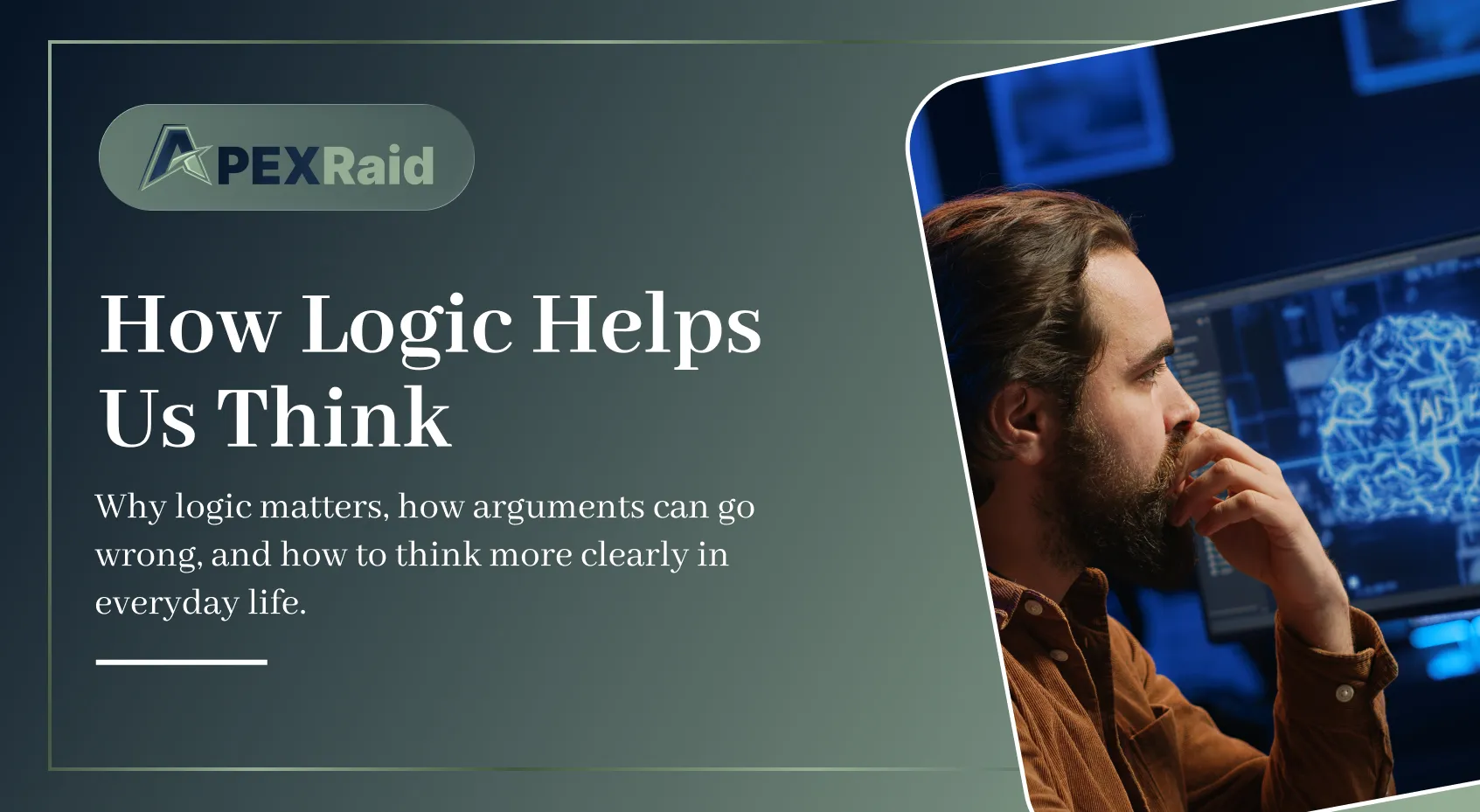
How Logic Helps Us Think
Why logic matters, how arguments can go wrong, and how to think more clearly in everyday life.
Read article →Test your logic against the mental shortcuts and flaws built into the human brain.
The human brain is arguably the most complex and sophisticated structure in the known universe, capable of breathtaking feats of engineering, art, and scientific discovery. However, it is not a perfectly rational calculating machine. It is, fundamentally, an organ evolved for survival in a prehistoric environment. To survive in a world filled with immediate physical threats, early humans needed to make split-second decisions with limited information. To achieve this incredible speed, the brain evolved 'heuristics'—mental shortcuts that allow us to bypass slow, deliberate logic. While these shortcuts kept our ancestors alive when facing down predators on the savanna, they frequently misfire in the complex, data-driven modern world. These systematic, predictable misfires are known as cognitive biases. They are the invisible glitches in human software, causing us to unconsciously distort reality, miscalculate risk, and make deeply irrational decisions while feeling utterly convinced of our own logic. From the pervasive echo chambers created by Confirmation Bias, to the disastrous financial decisions driven by the Sunk Cost Fallacy, to the unearned confidence of the Dunning-Kruger Effect, cognitive biases affect every single aspect of our personal and professional lives. Recognizing and mitigating these biases is the first and most crucial step toward genuine critical thinking and rational decision-making. This quiz will test your ability to identify the mental traps that secretly govern human behavior.
Examine the rules of reasoning, cognitive biases, and how to construct sound arguments while identifying flawed logic.
Why logic matters, how arguments can go wrong, and how to think more clearly in everyday life.
Read article →From ancient Roman ciphers to modern encryption, test your knowledge of codes.
Take the challenge →Evaluate your understanding of the foundational pillars of formal logic, the scientific method, and structural argumentation.
Take the challenge →Test your ability to identify the reasoning errors that appear in arguments, debates, and everyday conversation.
Take the challenge →