
Logic5 min read
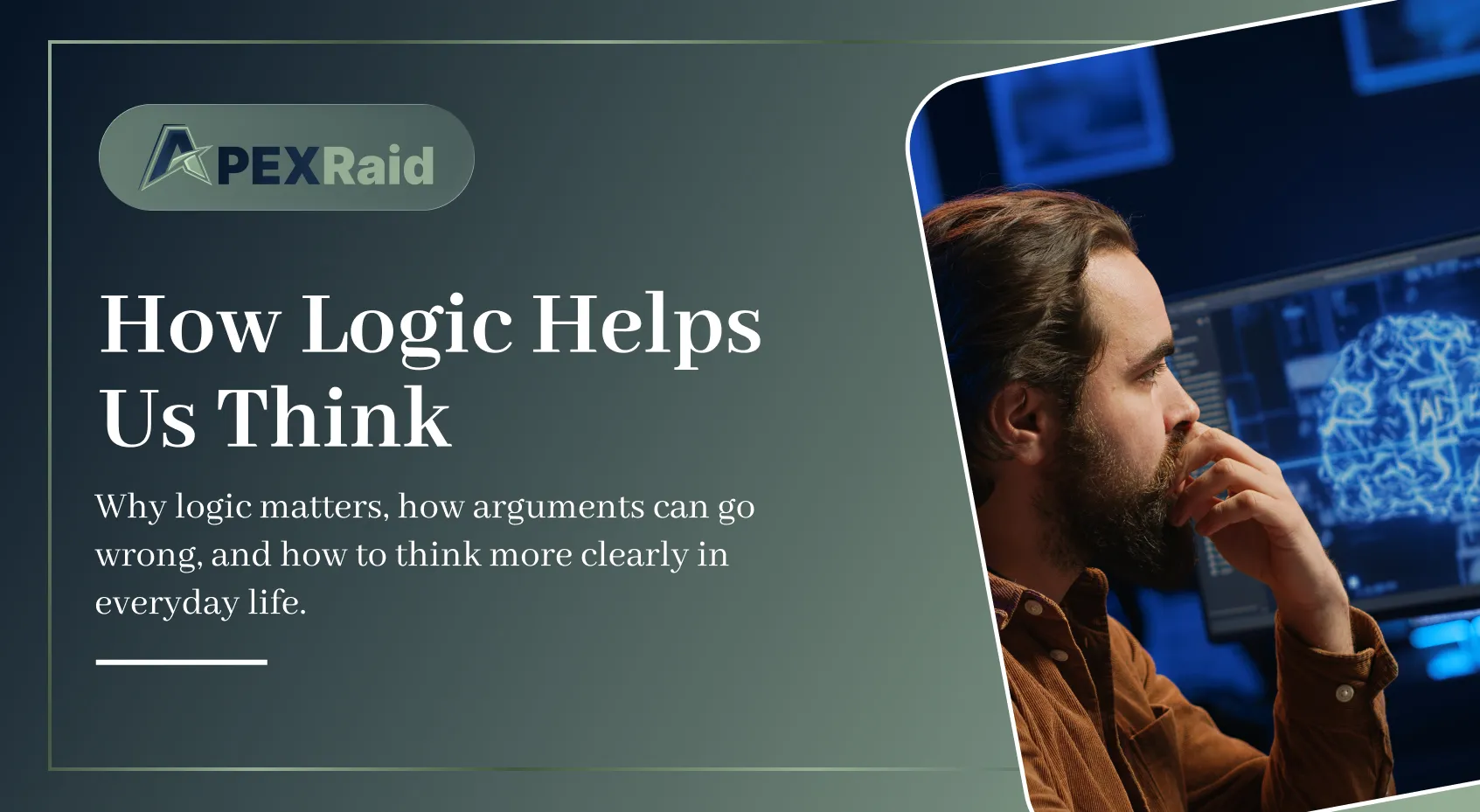
How Logic Helps Us Think
Why logic matters, how arguments can go wrong, and how to think more clearly in everyday life.
Read article →From ancient Roman ciphers to modern encryption, test your knowledge of codes.
The ability to securely transmit sensitive information has been the absolute cornerstone of political power, military strategy, and economic dominance for thousands of years. From the moment human beings invented written language, they simultaneously recognized the urgent need to hide those words from their enemies. This necessity gave birth to the incredibly complex, mathematically rigorous science of cryptography—the ancient art of secret writing. The history of cryptography is essentially a silent, perpetual arms race between the brilliant minds trying to construct unbreakable codes and the equally brilliant minds trying to shatter them. In ancient Rome, Julius Caesar secured his military communications using a simple substitution cipher, shifting the alphabet to confuse enemy interceptors. Fast forward to the unimaginable global stakes of World War II, where the Allied victory hinged heavily on Alan Turing and the cryptanalysts at Bletchley Park successfully breaking the Nazi Enigma machine, an achievement that drastically shortened the war and saved millions of lives. Today, cryptography is no longer the exclusive domain of spies and generals; it is the invisible, structural foundation of the entire digital economy. Every time you send a text message, log into your bank account, or make a purchase online, you are relying on immensely complex cryptographic algorithms, such as public-key encryption and one-way hashing functions, to protect your identity. This quiz explores the fascinating evolution of codes, ciphers, and the mathematical logic that secures the modern world.
Examine the rules of reasoning, cognitive biases, and how to construct sound arguments while identifying flawed logic.
Why logic matters, how arguments can go wrong, and how to think more clearly in everyday life.
Read article →Test your logic against the mental shortcuts and flaws built into the human brain.
Take the challenge →Evaluate your understanding of the foundational pillars of formal logic, the scientific method, and structural argumentation.
Take the challenge →Test your ability to identify the reasoning errors that appear in arguments, debates, and everyday conversation.
Take the challenge →