

SocietyIntermediate
Understanding Economic Inequality
Test your grasp of the structural mechanisms, metrics, and systemic factors that drive wealth concentration and economic disparity.
Take the challenge →Explore the structural forces, historical movements, and economic realities that shape human civilization and modern communities.
A society is formed through relationships, institutions, norms and shared systems that organize collective life. Families, schools, markets, governments, media and community groups influence what people learn and which opportunities become available. Individuals also change these structures through everyday choices, organizing, creativity and resistance. Social explanation therefore moves between personal experience and larger patterns rather than treating one level as the complete cause.
Norms are expectations about behaviour. Some are written into law, while others operate through approval, habit or exclusion. They vary across communities and time. A familiar practice is not automatically natural or fair simply because it is widespread. Studying society asks who created a rule, whose interests it serves, how it is enforced and what alternatives exist. ApexRaid aims to explain these questions without reducing diverse groups to stereotypes.
Identity includes how people understand themselves and how others classify them. It can involve culture, language, gender, disability, profession, belief, family and many other affiliations. These aspects interact rather than operating as isolated boxes. The importance of an identity can change by situation, and no label reveals every belief or experience of a person who uses it.
Social categories can support community and political recognition while also becoming tools for discrimination. Respect begins with the language people use for themselves and with awareness that preferences may differ within a group. Curiosity does not create entitlement to private information. The related article about visible disability and coming out explores why appearance does not disclose diagnosis, needs, history or personal meaning, and why people may still choose when and how to explain themselves.
Institutions are durable rules and organizations that coordinate behaviour. Schools allocate credentials, workplaces distribute income, healthcare systems organize treatment and governments create public policy. Formal rules matter, but informal practices can produce different outcomes from the written promise. Understanding an institution requires examining access, decision-making, incentives and accountability, not only its stated mission.
Power is the capacity to shape outcomes, agendas or available choices. It can operate through authority, wealth, expertise, networks and control of information. Power is not always visible as direct command; a system can disadvantage people through procedures that appear neutral but interact with unequal starting conditions. Analysis should use evidence about patterns and mechanisms rather than assuming every unequal result has one cause. Reform likewise requires more than changing language when incentives and access remain unchanged.
Disability can be understood through bodily or cognitive differences and through barriers created by environments. A staircase disables access for a wheelchair user where a suitable ramp or lift would change participation. Captions, flexible communication and accessible digital design can remove barriers for many people. This social perspective does not deny pain, fatigue or medical needs; it shows that exclusion is not located only within an individual.
Visible and nonvisible disabilities create different disclosure pressures. People may need accommodations without wanting to share unnecessary medical details. Others may be misjudged because observers assume they understand a visible condition. Inclusive practice asks what access is needed, protects confidentiality and avoids turning a person into inspiration for ordinary participation. Laws differ by location, so specific rights questions require current official or qualified legal information.
Inequality can concern income, wealth, health, education, safety, representation or exposure to environmental harm. A national average may improve while gaps remain or widen. Measures answer different questions: median income describes the middle, while wealth includes accumulated assets and debts. Rates can show relative frequency, but absolute numbers reveal scale. Responsible claims define the measure, population, period and source.
Social mobility describes movement within an economic or status distribution. Individual stories demonstrate possibility but do not establish how common a path is. Opportunity is influenced by family resources, neighbourhood, education, networks, discrimination and policy. Recognizing structure does not erase agency; it prevents a few exceptional outcomes from being used to dismiss broader evidence. Effective responses can combine individual support with changes to institutions and public conditions.
Culture includes meanings, practices, knowledge, art and ways of belonging learned through social life. It is continually created rather than inherited unchanged. Migration, trade, technology and generational change produce exchange and debate. Describing a culture as one fixed personality ignores differences of region, class, age and individual experience. Specific examples are more informative than sweeping claims about what an entire people values.
Cultural borrowing can produce creativity and connection, but power and context matter when symbols are commercialized, misrepresented or separated from communities that face discrimination. There is no simple rule resolving every case. Thoughtful engagement learns history, credits sources, listens to affected people and avoids treating sacred or identity-bearing practices as costumes. Disagreement within a community should be acknowledged rather than using one voice as universal permission.
Media does not simply reflect events; it selects what receives attention and frames how an issue is understood. Headlines, images, sources and repetition influence perception. News organizations operate with professional standards and constraints, while social platforms mix reporting, opinion, advertising and personal content. Algorithms may prioritize engagement, which can amplify outrage or certainty. Users need methods for verification rather than relying on how often a claim appears.
Media literacy involves opening the original source, checking date and context, distinguishing reporting from commentary and comparing independent coverage. A misleading story may contain true details arranged to imply an unsupported conclusion. Images and video can be edited or reused from another event. Correcting misinformation works better when the accurate explanation is understandable and supported, not merely labeled false. The technology article about AI and fake news connects closely with these social questions.
Civic disagreement concerns real values and interests, so it cannot always be solved by presenting one fact. Evidence can clarify consequences and correct false premises, while democratic decisions still require judgment about priorities. Productive discussion defines the claim, represents opposing views fairly and avoids treating groups as enemies by nature. Strong criticism of policy is compatible with respect for people.
Statistics about crime, migration, health or education can affect vulnerable communities and require careful context. Correlation should not be presented as simple cause, and group averages should not be applied automatically to individuals. Dehumanizing language makes harm easier to justify and weakens reasoning. Moderation protects participation when it addresses threats and harassment consistently. Free expression questions also involve legal differences by country, platform rules and the responsibilities attached to reach.
Societies change through law, technology, economic conditions, organizing, education and shifts in everyday behaviour. Major reforms often result from long campaigns rather than one celebrated event. Institutions may adopt new language while implementation remains uneven. Evaluating change requires examining outcomes over time and listening to people most affected, not only announcing that a policy exists.
Social movements use protest, litigation, mutual aid, research, art and electoral participation. Their members may disagree about goals and strategy. Historical progress is not automatic; rights can expand or contract, and gains require maintenance. Individual action matters most when connected with collective systems capable of sustaining it. Responsible education presents complexity without using complexity as an excuse for inaction or false equivalence.
Approach social questions with definitions and context. Identify whether a claim describes one experience, a group pattern or an institution. Check the source, population, date and measure before generalizing. When reading a personal account, respect it as evidence of that person’s experience without demanding that it represent everyone. Follow related guides to understand mechanisms that a short quiz cannot provide.
Reflect on assumptions and seek credible perspectives beyond familiar circles. Avoid quizzes that claim to diagnose prejudice or reduce identity to entertainment. ApexRaid questions should teach concepts and explain evidence rather than reward ideological guessing. Return later and summarize the relationship between individual action and social structure. The aim is informed participation: clearer language, better evidence, respect for human dignity and an ability to recognize how institutions shape possibilities.
Test your grasp of the structural mechanisms, metrics, and systemic factors that drive wealth concentration and economic disparity.
Take the challenge →Discover the bizarre origins of everyday words, phrases, and the languages we speak.
Take the challenge →Test your knowledge on the legislative process, the role of the judiciary, and the mechanics of modern democratic governance.
Take the challenge →Evaluate your knowledge of the sociological and psychological impact of the algorithms that rewired global human communication.
Take the challenge →Evaluate your understanding of the strategies, legal battles, and key figures of the global struggle for civil rights and equality.
Take the challenge →
A comprehensive technical and sociological analysis of how social media platforms transitioned from chronological feeds to aggressive, AI-driven predictive recommendation engines — and the profound consequences for democracy, mental health, and objective reality.
Read article →
A comprehensive macroeconomic analysis of how AI automation is permanently restructuring the global labor market — shifting the threat from blue-collar physical labor to white-collar cognitive labor and reshaping the social contract.
Read article →
A comprehensive sociological analysis of the constant disclosure burden placed on visibly disabled individuals — exploring the paradox of visibility.
Read article →
A comprehensive clinical and cultural analysis of how evidence-based respectful parenting has been distorted by social media into harmful permissiveness, and why boundaries remain psychologically essential for healthy child development.
Read article →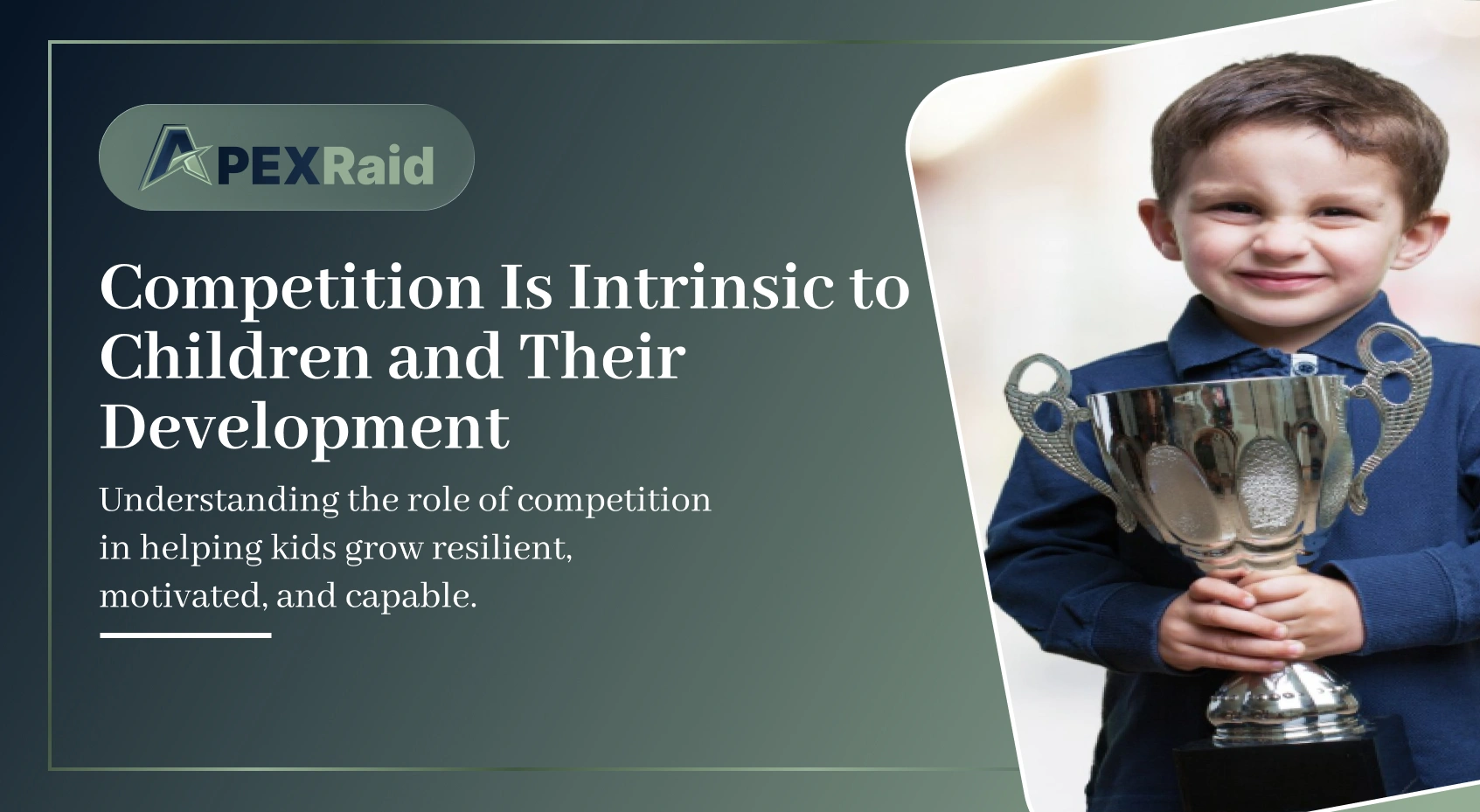
A comprehensive analysis of why healthy competition is an evolutionary imperative essential for building resilience, emotional regulation, and self-efficacy in children — drawing on developmental psychology, neuroscience, and evolutionary biology.
Read article →
Financial literacy is a critical developmental milestone. This comprehensive guide explores the psychology of financial secrecy and outlines an evidence-based, age-by-age framework for teaching economic competence.
Read article →